Category
Guides
Prop Firm Scaling Plans: How Account Growth Works
Prop firm scaling plans increase funded account capacity after traders meet defined performance conditions. The article explains scaling models, profit targets, drawdown effects, payout rules and how to compare plans by usable risk capacity rather than headline account size.

Prop Firms That Allow EAs and Trading Bots
Prop firms apply different rules to EAs and trading bots, with restrictions based on ownership, platform, account size and trading stage. The article compares major policy models and explains how to check whether an automated strategy is compliant before using it.

Prop Firm News Trading Rules: Which Firms Allow It
Prop firm news trading rules vary by firm, account type and trading stage. Some programs allow trading through economic releases, while others restrict new orders, adjust profits or prohibit news-specific strategies.
Prop Firm Consistency Rule: What It Is and How to Pass It
A prop firm consistency rule limits how much of total profit can come from one trading day. The article explains common formulas, how losses and new best days affect the ratio, and how to manage consistency during evaluations and payout cycles.
Trailing Drawdown vs Static Drawdown in Prop Firms
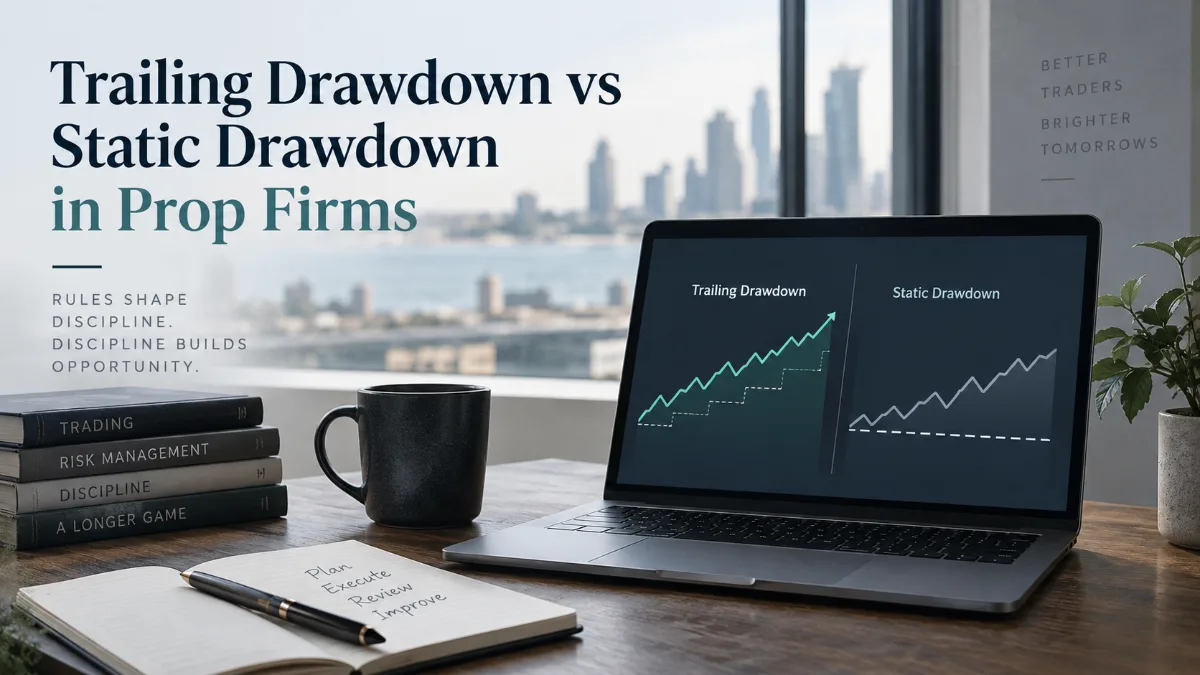
Static drawdown keeps the maximum loss floor fixed, while trailing drawdown can move the floor higher as qualifying profits increase. The article explains intraday and end-of-day trailing, equity effects, lock points, payouts and how each structure changes usable risk room.
Prop Firm Daily Drawdown Rule Explained with Examples
A prop firm daily drawdown rule limits how much an account can lose during one defined trading day. The exact threshold depends on the calculation base, balance or equity monitoring, reset time, open positions, costs, and the interaction with maximum drawdown.

Are Prop Firms a Scam? Red Flags to Check Before Paying
Prop firms are not automatically scams, but legitimacy should be verified before paying a challenge fee. Key checks include the firm’s legal identity, account structure, payout conditions, trading restrictions, total costs and any regulatory claims.
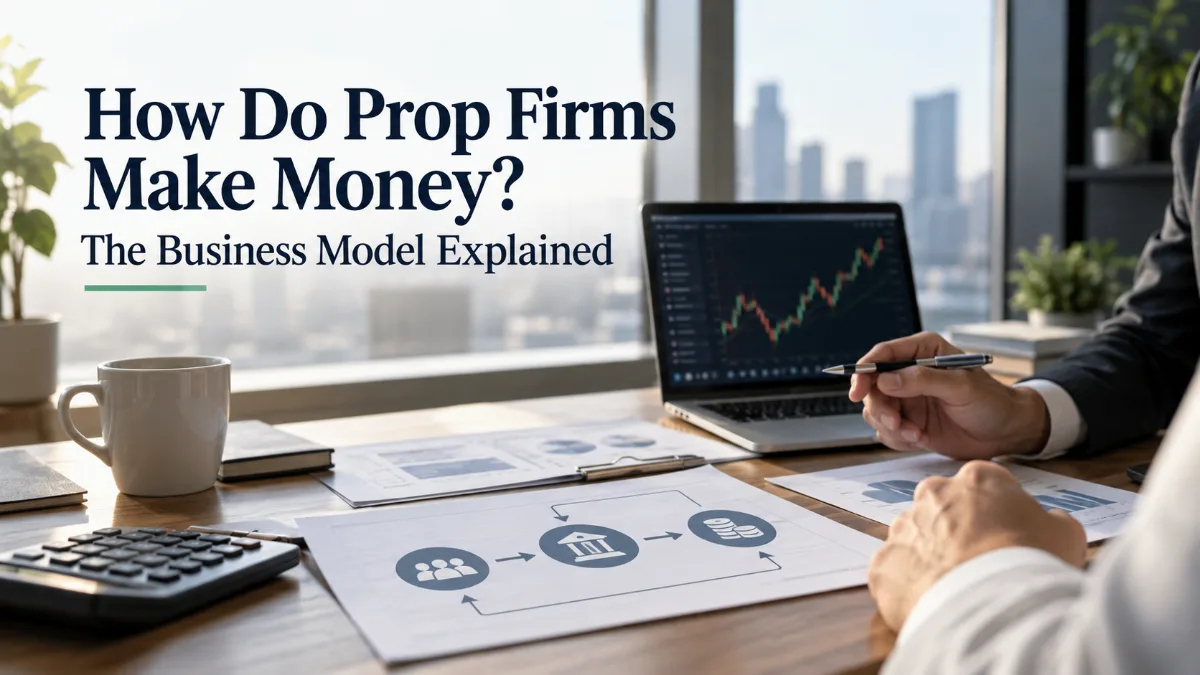
How Do Prop Firms Make Money? The Business Model Explained
Prop firms can make money from trading profits, challenge fees, retries and service charges depending on their business model. Profit splits define how eligible trader payouts are calculated, while live trading and simulated account structures can create very different economics.
Prop Firm Payout Proof: How to Verify a Firm Really Pays
Prop firm payout proof is strongest when legal identity, payout rules, transaction records and completed settlements all align. The article explains how to assess screenshots, verify regulatory claims, test withdrawals and investigate delayed or denied payouts.
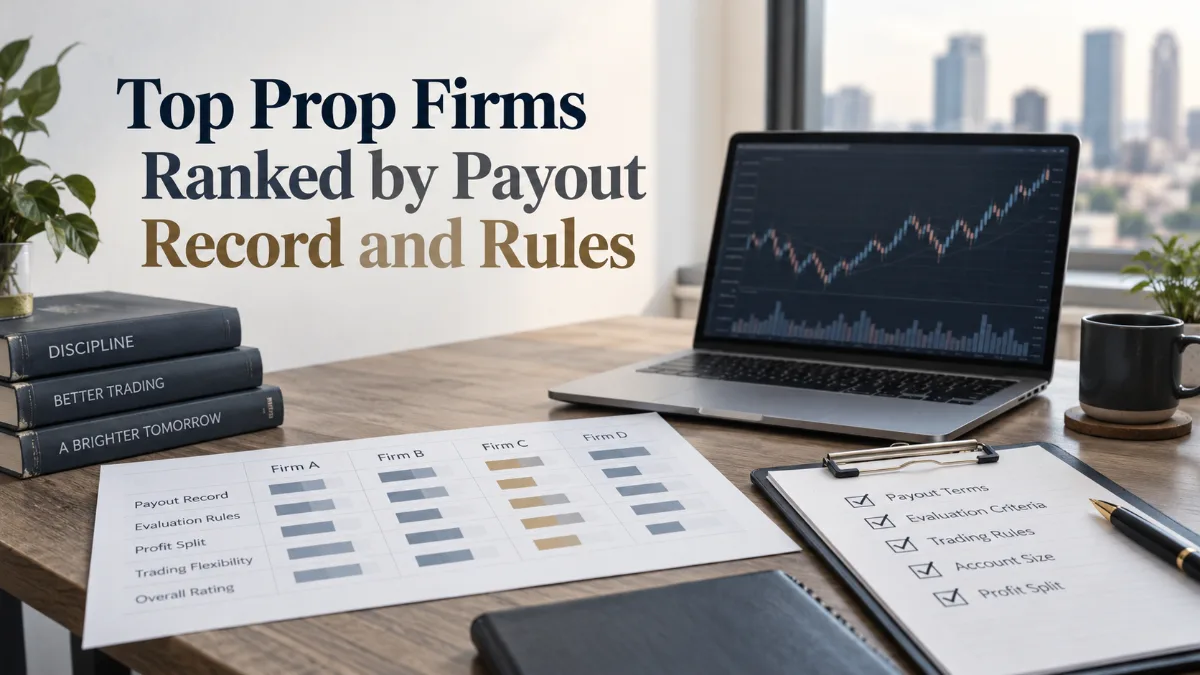
Top Prop Firms Ranked by Payout Record and Rules
FTMO ranks first overall for rule maturity, while Topstep leads among futures-focused firms. The comparison also covers The5ers, FundedNext, MyFundedFutures, Tradeify, FundingPips and Apex Trader Funding based on payout accessibility, drawdown rules, consistency requirements and funded account structure.
Options Prop Firms: How Funded Options Trading Works
Options prop firms provide rule based trading programs that may use simulated or live capital models. Funded options trading depends on strategy permissions, drawdown limits, expiration rules, costs and payout conditions.
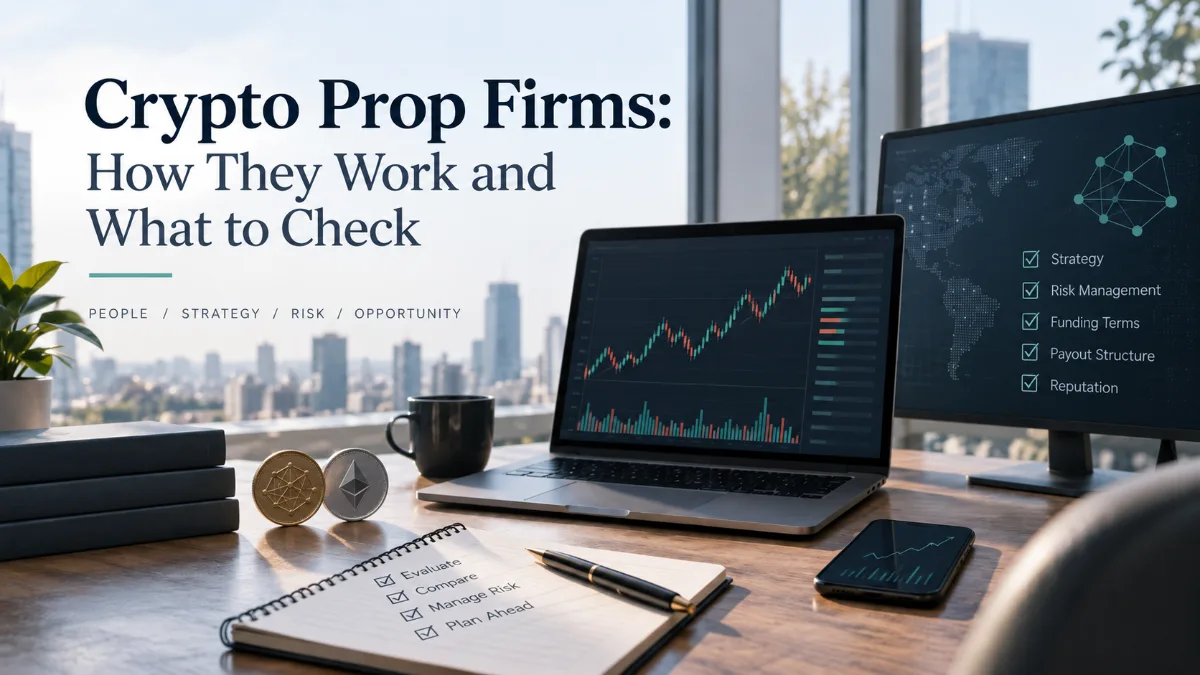
Crypto Prop Firms: How They Work and What to Check
Crypto prop firms offer rule based trading programs that may use simulated or live accounts. Traders should compare drawdown formulas, payout conditions, permitted strategies, instruments, execution rules and the real risk budget rather than relying on headline account size or profit split alone.